don quixote pdf

don quixote pdf
Don Quixote PDF: A Comprehensive Guide
Don Quixote’s digitized versions‚ including those from Google and the Oxford University Press 1907 edition‚ are readily available as PDF files.
Numerous formats like FB2‚ EPUB‚ DOC‚ and TXT‚ alongside a Russian translation‚ enhance accessibility for diverse readers seeking this classic work.
Availability of Free PDF Versions
Don Quixote de La Mancha boasts a surprisingly robust presence of free PDF versions online‚ largely thanks to digitization efforts. The Internet Archive stands as a primary repository‚ offering multiple scans and transcriptions of the novel. Google’s digitized library also provides access to a reproduction of a library book‚ preserving the text and making it widely accessible.
These PDFs often stem from older editions‚ such as the 1907 Oxford University Press publication‚ offering a glimpse into historical typesetting and editorial choices. The availability isn’t limited to English; versions in other languages‚ notably Russian‚ are also discoverable. These free versions are invaluable for students‚ researchers‚ and casual readers alike‚ providing convenient access to Cervantes’ masterpiece without cost. However‚ text quality can vary between different scans and transcriptions.
Google Digitized Library Versions
Google’s digitized library offers a valuable resource for accessing Don Quixote in PDF format. These versions are created through the scanning of physical books held in library collections‚ aiming to preserve information and broaden access. The digitized copy often represents a reproduction of an older edition‚ providing a historical artifact alongside the literary work.
Specifically‚ Google provides access to a version translated by Charles Jarvis. Users should be aware that‚ as with any scanned document‚ the text quality can vary. Optical Character Recognition (OCR) technology is used to convert the images into searchable text‚ but errors can occur. Despite potential imperfections‚ Google’s offering is a significant contribution to the availability of Don Quixote‚ allowing readers worldwide to engage with Cervantes’ novel free of charge. It’s a convenient starting point for research or casual reading.
Oxford University Press 1907 Edition
The Oxford University Press edition of Don Quixote‚ published in 1907‚ is available in PDF format through the Internet Archive. This edition represents a significant scholarly undertaking of its time‚ offering a complete translation of Cervantes’ masterpiece. The PDF file is substantial in size – approximately 1.1GB – reflecting the comprehensive nature of the original publication.
Digitized on January 21‚ 2025‚ this version provides readers with a glimpse into how the novel was presented to audiences over a century ago. The Internet Archive’s copy benefits from being a direct scan of a physical book‚ potentially offering a higher fidelity reading experience compared to OCR-reliant versions. Researchers and enthusiasts alike can explore this historical edition‚ examining its typography and layout alongside Cervantes’ enduring narrative. It’s a valuable resource for comparative literary study.
PDF Availability in Multiple Languages (Russian)

Beyond English‚ Don Quixote is accessible in PDF format in numerous languages‚ notably Russian. This broad availability caters to a global readership eager to engage with Cervantes’ iconic work in their native tongue. Finding a free e-book version in Russian is possible through various online repositories‚ expanding the novel’s reach beyond linguistic boundaries.
The availability of a Russian PDF allows for comparative analysis of translations‚ revealing how different cultures interpret and present the nuances of Cervantes’ prose. Readers can explore the stylistic choices made by Russian translators and appreciate the novel’s universal themes through a different cultural lens. This multilingual accessibility underscores Don Quixote’s status as a truly global literary treasure‚ fostering cross-cultural understanding and appreciation.
File Formats Available for Download (FB2‚ EPUB‚ DOC‚ TXT)
Don Quixote isn’t limited to PDF availability; readers can also download the novel in a variety of convenient file formats. These include FB2‚ a popular format for e-readers‚ EPUB‚ widely supported across devices‚ and DOC‚ offering compatibility with Microsoft Word. The availability of a simple TXT format provides a streamlined reading experience‚ devoid of formatting.
This diverse range of formats ensures accessibility for all preferences and devices. FB2 and EPUB maintain formatting‚ while DOC allows for editing and annotation. The plain TXT version is ideal for those prioritizing readability and file size. These options cater to different reading styles and technological capabilities‚ making Cervantes’ masterpiece readily available to a broad audience seeking flexible access to this literary classic.

Understanding Don Quixote’s Historical Context
Cervantes’ life‚ spanning the Spanish Golden Age‚ profoundly shaped Don Quixote. His later works‚ like the Exemplary Novels‚ preceded Part 2’s 1615 publication.
Miguel de Cervantes Saavedra: Author Biography

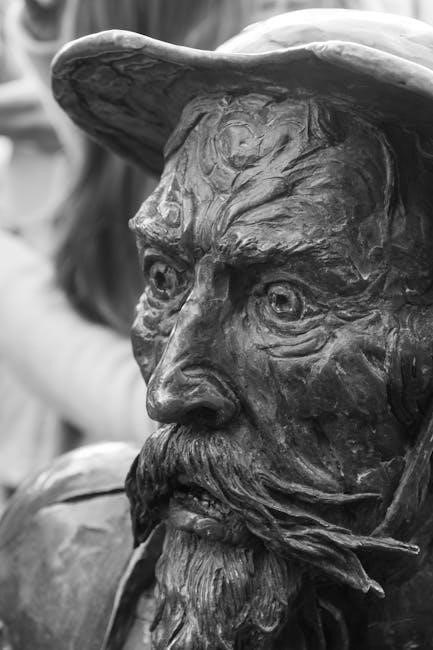
Miguel de Cervantes Saavedra‚ a pivotal figure in Spanish literature‚ was born in Alcalá de Henares‚ Spain‚ in 1547. His early life remains somewhat obscure‚ though it’s known he experienced financial hardship and adventure. He served as a soldier‚ notably participating in the Battle of Lepanto in 1571‚ where he sustained injuries that left him with a permanently disabled hand – earning him the nickname “el manco de Lepanto” (the one-handed man of Lepanto).
Following military service‚ Cervantes endured periods of captivity by Algerian pirates‚ spending five years as a prisoner before being ransomed. This experience profoundly impacted his worldview and later found expression in his writing. Upon his return to Spain‚ he faced continued financial struggles and held various administrative positions. Despite these challenges‚ Cervantes dedicated himself to writing‚ ultimately achieving immortal fame with the publication of Don Quixote.
His life‚ marked by both hardship and resilience‚ deeply influenced the themes of idealism‚ reality‚ and the human condition that permeate his masterpiece. Cervantes’ biography provides crucial context for understanding the depth and complexity of his literary contributions.
Cervantes’ Later Life and Major Works (1613-1615)
The period between 1613 and 1615 proved remarkably productive for Miguel de Cervantes‚ despite ongoing financial difficulties. In 1613‚ he published the Exemplary Novels (Nove las ejemplares)‚ a collection of twelve novellas showcasing his narrative skill and diverse storytelling abilities. This work demonstrated his mastery of prose fiction and explored various social themes.
The following year‚ 1614‚ saw the release of The Journey to Parnassus (Viaje del Parnaso)‚ a satirical poem reflecting on contemporary literary trends. However‚ it was in 1615 that Cervantes completed and published the second part of Don Quixote‚ building upon the success of the first volume and solidifying his literary legacy.
Alongside Don Quixote Part 2‚ he also published Ocho comedias y ocho entremeses‚ a collection of plays‚ further demonstrating his versatility as a writer. These final years were dedicated to refining his craft and leaving behind a body of work that continues to resonate with readers today‚ readily available in PDF formats.
Publication History of Don Quixote (Part 1 & Part 2)
The first part of Don Quixote was published in 1605‚ meeting with immediate‚ though somewhat mixed‚ reception. It quickly gained popularity‚ establishing Cervantes as a significant literary voice. However‚ unauthorized and pirated editions circulated widely‚ prompting Cervantes to address the issue of copyright and textual integrity.
A decade later‚ in 1615‚ the long-awaited second part of Don Quixote finally appeared. This installment was a direct response to a spurious continuation published in 1614 by Alonso Fernández de Avellaneda. Cervantes skillfully incorporated and refuted Avellaneda’s version‚ reclaiming control of his narrative.
Both parts of Don Quixote have since been extensively reprinted and translated‚ becoming cornerstones of world literature. Today‚ numerous PDF versions exist‚ stemming from various editions and translations‚ including the Oxford University Press 1907 edition‚ offering readers convenient access to this timeless masterpiece.
The Spanish Golden Age and its Influence
Don Quixote emerged during Spain’s Golden Age (roughly 1580-1681)‚ a period of immense artistic and literary flourishing‚ coinciding with Spain’s political power. This era witnessed a vibrant cultural exchange‚ influencing Cervantes’ work profoundly; The chivalric romances‚ popular at the time‚ served as both inspiration and a target for Cervantes’ satirical critique.
The societal context of a declining Spanish empire‚ coupled with religious and philosophical debates‚ shaped the novel’s themes of idealism versus reality. Cervantes masterfully captured the spirit of his age‚ reflecting its contradictions and anxieties within the adventures of his iconic characters.
Accessing PDF versions of Don Quixote allows modern readers to directly engage with a text deeply rooted in this historical and cultural milieu‚ understanding its nuances and appreciating its enduring relevance. Digitized editions‚ like those from Google‚ preserve this legacy.
Exploring the Content of Don Quixote
Don Quixote and Sancho Panza’s journey explores themes of idealism‚ reality‚ and parody‚ readily accessible through convenient PDF downloads for study.
Key Characters: Don Quixote and Sancho Panza
Don Quixote‚ the novel’s protagonist‚ is a nobleman consumed by chivalric romances‚ leading him to perceive the world through a distorted‚ idealistic lens. He embarks on adventures fueled by delusion‚ believing himself a knight-errant tasked with righting wrongs and defending the helpless. Accessing the novel in PDF format allows for close examination of his evolving character.
Conversely‚ Sancho Panza serves as Quixote’s pragmatic and grounded squire. A peasant motivated by the promise of reward‚ Sancho provides a stark contrast to his master’s fantastical worldview. He represents common sense and practicality‚ often questioning Quixote’s actions and offering a realistic perspective. Studying their dynamic within a readily available PDF version reveals the novel’s comedic and philosophical depth.
Their relationship is central to the narrative‚ showcasing a compelling interplay between idealism and realism. The PDF format facilitates detailed analysis of their dialogues and interactions‚ highlighting the satirical elements and the exploration of human nature.
Central Themes: Idealism vs. Reality
Don Quixote profoundly explores the conflict between idealism and reality‚ a central theme readily accessible through PDF versions of the novel. Quixote’s unwavering belief in chivalric ideals clashes dramatically with the mundane and often harsh realities of 17th-century Spain. The PDF format allows readers to meticulously trace this tension throughout the narrative.
The novel satirizes the romanticized notions of heroism and honor prevalent in literature‚ contrasting them with the practical concerns of everyday life. Quixote’s misinterpretations of reality‚ fueled by his reading‚ highlight the dangers of unchecked idealism. A digital PDF copy enables easy referencing of specific passages illustrating these discrepancies.
Through Quixote’s adventures and interactions‚ Cervantes questions the nature of truth and perception. The availability of the text as a PDF encourages critical analysis of how subjective interpretations shape our understanding of the world‚ making it a timeless exploration of the human condition.
The Role of Parody and Satire
Don Quixote masterfully employs parody and satire‚ elements easily appreciated when studying the work via PDF. Cervantes skillfully mocks the popular chivalric romances of his time‚ exaggerating their conventions to expose their absurdity. Accessing the text in PDF format allows for close reading and identification of these satirical elements.
The novel’s humor arises from the contrast between Quixote’s grandiose delusions and the prosaic reality he encounters. This comedic effect is heightened by Cervantes’ witty prose and ironic narrative voice‚ readily observable in digital PDF editions. The PDF format facilitates easy annotation and analysis of these instances.
Through parody‚ Cervantes critiques societal norms and values‚ questioning the very foundations of honor and heroism. The readily available PDF versions enable scholars and readers alike to dissect the layers of satire and understand its enduring relevance‚ making it a cornerstone of literary criticism.
Notable Episodes and Adventures
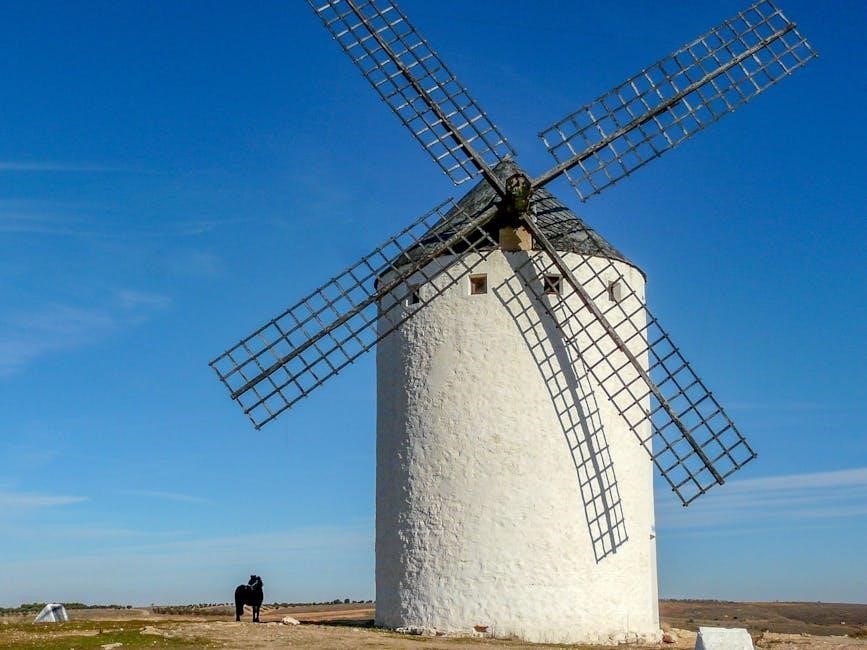
Exploring Don Quixote’s adventures is greatly enhanced through readily available PDF versions of the text. Iconic episodes‚ such as the battle with the windmills – often misinterpreted as a fight with giants – are vividly detailed and easily accessible for study. The PDF format allows for quick referencing of these key moments.
Other memorable adventures include his liberation of the galley slaves and his encounter with the Duke and Duchess‚ both showcasing Quixote’s unwavering‚ yet misguided‚ idealism. Digital PDF copies permit seamless navigation between these episodes‚ aiding comprehension of the narrative’s progression.
The PDF format’s searchability allows readers to pinpoint specific adventures and analyze their symbolic significance. These episodes‚ central to the novel’s enduring appeal‚ are best experienced through a comprehensive PDF edition‚ offering a complete and readily available literary journey.
Navigating PDF Versions and Translations
PDFs offer access to translations‚ like Charles Jarvis’s‚ and varying English versions. Text quality and searchability differ; accessibility features within PDF readers are crucial.
Charles Jarvis Translation Analysis
Charles Jarvis’s translation of Don Quixote‚ frequently found in digitized PDF versions like those preserved by Google‚ represents a significant early English rendering of Cervantes’ masterpiece. While valuable for its historical context‚ modern readers often note its stylistic differences from contemporary translations.
Jarvis’s 17th-century prose can feel somewhat archaic‚ employing phrasing and sentence structures unfamiliar to modern English speakers. This can occasionally impact the reading experience‚ requiring a greater degree of patience and attention to fully grasp Cervantes’ intended nuances. However‚ it also provides a unique window into the linguistic landscape of the time.
Despite these stylistic considerations‚ Jarvis’s translation remains a crucial resource for scholars and enthusiasts alike. Its availability in easily accessible PDF format allows for widespread study and comparison with more recent interpretations. Examining Jarvis’s work illuminates the challenges inherent in translating such a complex and culturally rich novel‚ and highlights the evolution of English translation practices over centuries.
Comparing Different English Translations
Numerous English translations of Don Quixote exist in PDF format‚ each offering a distinct interpretation of Cervantes’ original Spanish text. Comparing these versions reveals varying approaches to capturing the novel’s humor‚ pathos‚ and intricate prose style.
Beyond Charles Jarvis’s historical rendering‚ modern translations by figures like Edith Grossman and John Rutherford prioritize readability and contemporary language. Grossman’s version is lauded for its lyrical quality and faithfulness to Cervantes’ spirit‚ while Rutherford’s is praised for its scholarly accuracy and detailed notes.
When selecting a PDF version‚ consider your priorities. Do you prefer a historically informed translation‚ or a more accessible modern rendering? Examining multiple translations side-by-side can enrich your understanding of the novel’s complexities and the art of translation itself. The availability of digital PDF copies facilitates this comparative study‚ allowing readers to appreciate the nuances of each interpreter’s vision.
PDF Searchability and Text Quality
The quality of Don Quixote PDF files varies significantly‚ impacting searchability and reading experience. Digitized versions‚ like those from Google‚ may contain optical character recognition (OCR) errors‚ leading to inaccuracies and hindering text searches. These errors can manifest as misspellings or garbled characters‚ frustrating readers attempting to locate specific passages.
PDFs created from cleanly typeset sources‚ such as modern ebook conversions‚ generally offer superior text quality and robust search functionality. However‚ even these versions can suffer from formatting issues or incomplete character encoding.
Before committing to a PDF‚ test its searchability by looking for key terms or character names. Assess the visual clarity of the text; blurry or distorted characters detract from readability. Prioritizing PDFs with clear‚ accurate text ensures a more enjoyable and productive engagement with Cervantes’ masterpiece.
Accessibility Features in PDF Readers
Modern PDF readers offer a range of accessibility features beneficial for engaging with Don Quixote. Text-to-speech functionality allows auditory access to the novel‚ aiding visually impaired readers or those preferring to listen. Adjustable font sizes and styles cater to individual reading preferences and visual needs‚ enhancing comfort and comprehension.
Many PDF readers include reflowable text options‚ adapting the layout to different screen sizes and resolutions. This is particularly useful on mobile devices. Furthermore‚ features like dictionary lookups and highlighting tools facilitate deeper engagement with the text.
Utilizing these features maximizes the accessibility of Don Quixote PDF versions‚ ensuring a wider audience can appreciate Cervantes’ literary brilliance. Exploring the specific capabilities of your chosen PDF reader unlocks a more personalized and inclusive reading experience.
Resources and Further Reading
Internet Archive provides extensive Don Quixote resources‚ alongside online literary analysis and academic databases. Explore the “Don Quixote quaderbet” for educational materials;
Internet Archive Resources for Don Quixote
The Internet Archive serves as a vast digital repository‚ offering multiple versions of Don Quixote in PDF format and other downloadable file types. Users can access digitized copies of the novel‚ including the 1907 Oxford University Press edition‚ meticulously preserved for historical and literary study.
These resources extend beyond simple text; the Archive frequently hosts scanned images of original editions‚ providing insights into the book’s publication history and physical appearance. Furthermore‚ the platform facilitates access to related scholarly materials‚ critical essays‚ and translations‚ enriching the research experience.
Researchers and enthusiasts can explore various translations‚ including those by Charles Jarvis‚ and compare different editions to understand the evolution of the text. The Internet Archive’s commitment to open access ensures that Don Quixote remains readily available to a global audience‚ fostering continued engagement with Cervantes’ masterpiece.
Online Literary Analysis and Criticism
Numerous websites dedicate themselves to analyzing Don Quixote‚ offering critical perspectives on Cervantes’ masterpiece. These resources complement the reading experience‚ particularly when engaging with PDF versions of the text‚ by providing deeper understanding of the novel’s themes‚ characters‚ and historical context.
Scholarly articles and essays dissect the work’s complex layers of parody and satire‚ exploring the interplay between idealism and reality embodied by Don Quixote and Sancho Panza. Online platforms often feature discussions on the significance of specific episodes and adventures within the narrative.
Accessing these analyses alongside a digital PDF copy allows readers to cross-reference interpretations and enhance their comprehension. Many sites also offer comparative studies of different English translations‚ like those by Charles Jarvis‚ aiding in a nuanced appreciation of Cervantes’ original intent and the challenges of translation.
Academic Databases and Scholarly Articles
Researchers and students can access a wealth of scholarly articles concerning Don Quixote through academic databases like JSTOR‚ Project MUSE‚ and university library resources. These articles often provide in-depth analyses of the novel‚ considering its historical context within the Spanish Golden Age and Cervantes’ biography.

Many databases offer full-text access to critical essays examining themes such as idealism versus reality‚ the role of parody‚ and the character dynamics between Don Quixote and Sancho Panza. These resources are invaluable when studying PDF versions of the text‚ offering contextual insights.
Furthermore‚ scholarly articles frequently compare different translations‚ including the work of Charles Jarvis‚ and assess the quality and searchability of various PDF formats available online. Accessing these peer-reviewed sources enhances understanding beyond basic plot summaries.
“Don Quixote quaderbet” ⎯ Educational Resources
The “Don Quixote quaderbet” serves as a valuable educational resource‚ offering supplementary materials for students and educators engaging with Cervantes’ masterpiece. Often available as a PDF document‚ it provides focused insights into the author’s life‚ the novel’s historical backdrop‚ and its key literary elements.
These resources typically include character analyses‚ thematic explorations‚ and contextual information regarding the Spanish Golden Age. They can significantly enhance comprehension when studying Don Quixote in PDF format‚ aiding in deeper textual understanding.
The “quaderbet” often presents information in a structured‚ accessible manner‚ making it suitable for classroom use or independent study. It complements digital versions‚ offering a focused lens through which to examine the complexities of Don Quixote‚ enriching the reading experience and fostering critical thinking.