abc dr seuss pdf

abc dr seuss pdf
Dr. Seuss’s ABC PDF: A Comprehensive Overview (as of 04/16/2026)
Today, April 16th, 2026, accessing a digital copy of Dr. Seuss’s ABC is readily available through various online platforms, including the Internet Archive and Penguin Random House.
What is Dr. Seuss’s ABC?
Dr. Seuss’s ABC, originally published in 1963, stands as a cornerstone of early childhood literacy and a beloved classic within the Beginner Books series. This enchanting book isn’t merely an alphabet primer; it’s a vibrant, rhyming exploration of the letters from A to Z, brought to life with Dr. Seuss’s signature whimsical style.
The book’s core lies in its playful presentation of the alphabet, featuring a delightful cast of zany characters. From Aunt Annie’s Alligator to the wonderfully nonsensical Zizzer-Zazzer-Zuzz, each letter is paired with an imaginative creature or scenario, captivating young minds. It’s arguably the most entertaining alphabet book ever written, designed to make learning fun and accessible.
Dr. Seuss’s ABC is perfect for children beginning their reading journey, offering a fantastic introduction to letter recognition and phonetic sounds. The book’s enduring appeal stems from its ability to engage children of all ages and abilities, fostering a love for reading from the very start.
The Book’s Core Concept: An Alphabet Primer
Dr. Seuss’s ABC fundamentally operates as an alphabet primer, meticulously designed to introduce young learners to the building blocks of language. However, it transcends the typical rote memorization often associated with such books. Instead, Dr. Seuss employs a captivating rhyming alphabet poem structure, weaving each letter into a playful and memorable verse.
The book doesn’t simply present letters in isolation; it contextualizes them within a narrative, showcasing words that begin with each letter. This approach aids in letter recognition and sound association, crucial skills for early literacy development. The vibrant illustrations further enhance the learning experience, creating a multi-sensory engagement.
This core concept is brilliantly executed, making Dr. Seuss’s ABC not just educational, but genuinely entertaining. It’s a testament to Dr. Seuss’s understanding of how children learn best – through play, rhythm, and imagination, solidifying its place as a timeless classic.
Target Audience: Young Readers and Learners
Dr. Seuss’s ABC is primarily geared towards young readers and learners, specifically children beginning their journey into the world of literacy. The book’s design, featuring a board book format adaptation in some versions, caters to the needs of very young children and toddlers, making it durable and easy for small hands to manage.
However, its appeal extends beyond the youngest age group. The engaging rhymes and whimsical illustrations captivate children of all ages, even those already familiar with the alphabet. The book’s accessibility makes it suitable for children with varying learning abilities, as highlighted by the Internet Archive’s resources.
Essentially, Dr. Seuss’s ABC serves as an excellent introductory tool for anyone starting to learn their ABCs, fostering a positive and playful association with reading and language.

Availability of the PDF Version
Currently, PDF versions of Dr. Seuss’s ABC are accessible via the Internet Archive, Penguin Random House, and sites like greatfull.fileoz.club, though caution is advised.
Legitimate Sources for PDF Downloads
Securing a PDF copy of Dr. Seuss’s ABC from reputable sources is paramount to avoid potential malware or copyright infringements. Penguin Random House, the official publisher, occasionally offers digital versions for purchase or promotional access. The Internet Archive stands out as a reliable, legal avenue, providing both downloadable and streaming options for the book, cataloged under identifiers like urn:lcp:drseussabc0000seus_b1w7 and urn:oclc:record:1345572159.
These platforms ensure the file’s integrity and adherence to copyright laws. However, it’s crucial to verify the source’s authenticity before downloading. Be wary of websites promising free downloads, as these often harbor risks. Always prioritize official publisher websites or well-established digital libraries like the Internet Archive for a safe and legal reading experience. Checking publication dates, like the 2010 board book edition available on the Internet Archive, can also help confirm legitimacy.
Internet Archive Access to “Dr. Seuss ABC”
The Internet Archive provides extensive access to Dr. Seuss’s ABC in multiple formats, including PDF. Users can freely download, borrow, and stream the book, making it a valuable resource for educators and readers alike. The archive’s catalog entry details specific identifiers, such as urn:lcp:drseussabc0000seus_b1w7 and urn:oclc:record:1345572159, facilitating easy location and verification.
Notably, the archive hosts versions tailored for different age groups, including a board book edition published in 2010, specifically designed for babies and toddlers. This version emphasizes the book’s lively art and rhythmic text. Access is generally straightforward, though users may encounter wait times for popular items. The Internet Archive’s commitment to preserving and providing access to cultural artifacts makes it a trustworthy source for obtaining a digital copy of this classic alphabet primer.

Penguin Random House and PDF Availability
Penguin Random House, the publisher of Dr. Seuss’s ABC, offers the book for sale in various formats, including a physical copy and, importantly, digital editions. While a direct, free PDF download isn’t typically available on their website, they provide access to the book through licensed ebook platforms. This ensures a legally compliant and high-quality reading experience.

The book is consistently listed as a National Bestseller on PenguinRandomHouse.com, highlighting its enduring popularity. They emphasize that no one teaches the alphabet quite like Dr. Seuss, reinforcing its value as an educational tool. Purchasing through Penguin Random House or authorized retailers supports the author’s estate and ensures continued publication of this beloved classic. Exploring their digital bookstore is the recommended path for a legitimate digital copy, avoiding potentially risky unofficial sources.
Potential Risks of Unofficial PDF Downloads
Downloading Dr. Seuss’s ABC from unofficial sources presents significant risks. Websites offering “free” PDF downloads, such as greatfull.fileoz.club, often harbor malware, viruses, and other malicious software that can compromise your device and personal information. These sites frequently violate copyright laws, contributing to illegal distribution and potentially exposing you to legal repercussions.
The quality of these PDFs is often substandard, featuring distorted images, missing pages, or poor formatting. Furthermore, these downloads may contain intrusive advertisements or redirect you to phishing websites. Prioritizing legitimate sources – like Penguin Random House or the Internet Archive – guarantees a safe, high-quality reading experience and respects the intellectual property rights of the author and publisher. Caution is strongly advised when considering downloads from unverified platforms.

Content and Features of “Dr. Seuss’s ABC”
This classic Beginner Book features a rhyming alphabet poem, zany characters like Aunt Annie’s alligator, and Dr. Seuss’s iconic, colorful illustrative style.
Rhyming Alphabet Poem Structure
The core of Dr. Seuss’s ABC lies in its delightfully inventive rhyming structure. Unlike traditional alphabet books that simply present letters and corresponding images, Seuss crafts a continuous, flowing poem where each line introduces a letter alongside a whimsical phrase or scenario. This isn’t a static list; it’s a narrative journey through the alphabet.
Each letter is seamlessly integrated into playful verses, creating a memorable and engaging experience for young learners. For example, “A is for Aunt Annie’s Alligator!” immediately captures attention with its alliteration and quirky imagery. This poetic approach transforms the often-rote task of memorizing the alphabet into a joyful exploration of language and imagination.
The rhyming scheme isn’t merely decorative; it aids in memorization and reinforces phonetic awareness. The rhythm and rhyme make the book incredibly appealing to read aloud, fostering a love of language and encouraging interactive learning. This structure is a hallmark of Dr. Seuss’s work, making Dr. Seuss’s ABC a standout title.
Zany Characters: Aunt Annie’s Alligator & More
Dr. Seuss’s ABC is populated with a cast of wonderfully bizarre and memorable characters, far beyond the typical alphabet book fare. Aunt Annie’s Alligator is arguably the most iconic, immediately grabbing a child’s attention with its playful alliteration and unexpected presence. But the zany cast doesn’t stop there!
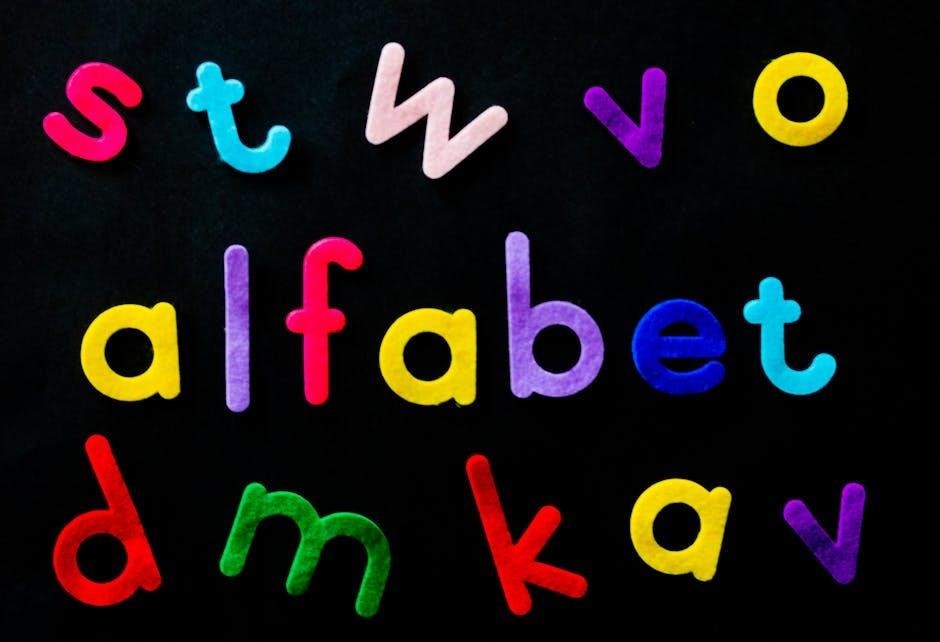
The book features a delightful parade of creatures – a lazy lion licking a lollipop, an ostrich oiling an orange owl, and the wonderfully nonsensical Zizzer-Zazzer-Zuzz. These aren’t just illustrations; they’re integral to the rhyming scheme and contribute to the book’s overall sense of joyful absurdity.
These characters aren’t simply random; they’re carefully chosen to enhance the learning experience. Their outlandishness makes the alphabet more engaging and memorable, while their playful interactions encourage imagination and creativity. Dr. Seuss masterfully uses these characters to transform learning into an adventure.
Illustrative Style: Dr. Seuss’s Signature Art
Dr. Seuss’s distinctive artistic style is immediately recognizable, and Dr. Seuss’s ABC is a prime example of his unique visual world. Characterized by bold lines, vibrant colors, and wonderfully whimsical shapes, the illustrations are as captivating as the rhyming text.
The artwork isn’t merely decorative; it’s integral to the storytelling. Each character and scene is brought to life with a playful energy that perfectly complements the book’s lighthearted tone. The illustrations are deceptively simple, yet incredibly detailed, inviting repeated viewing and discovery.
Even in the PDF versions, the impact of Dr. Seuss’s art remains strong. The bright colors and dynamic compositions translate well to the digital format, ensuring that the book’s visual appeal isn’t lost. The style is particularly well-suited for younger readers, capturing their attention and fostering a love of reading.
Educational Value: Learning the ABCs
Dr. Seuss’s ABC excels as an engaging alphabet primer, making learning fun for young children. The book doesn’t simply present letters in isolation; it integrates them into a lively, rhyming poem, associating each letter with memorable words and characters. This approach aids in letter recognition and phonetic awareness.
The playful verses and zany illustrations create a positive learning experience, encouraging children to actively participate in the reading process. The book’s structure helps build a foundation for early literacy skills, preparing children for more complex reading materials.
Even in PDF format, the educational benefits remain intact. Parents and educators can utilize the digital version for interactive learning activities, reinforcing letter sounds and vocabulary. The accessibility of the PDF allows for repeated exposure, solidifying a child’s understanding of the alphabet.

Historical Context and Publication Details
Originally published in 1963, Dr. Seuss’s ABC became a cornerstone of the Beginner Books series, designed to foster early reading skills for young learners.
Original Publication Date: 1963
The year 1963 marked the debut of Dr. Seuss’s ABC, a pivotal moment in children’s literature and early literacy education. This publication wasn’t simply another alphabet book; it represented a deliberate effort by Theodor Seuss Geisel – Dr. Seuss – to create engaging and accessible learning materials for beginning readers.
Prior to 1963, many alphabet books were perceived as dry and uninspiring. Dr. Seuss aimed to revolutionize this approach, injecting his signature whimsical style, rhyming verse, and unforgettable characters into the foundational task of learning the ABCs. The book’s release coincided with a growing emphasis on phonics-based reading instruction, and Dr. Seuss’s ABC quickly became a beloved tool for parents and educators alike.
The initial reception was overwhelmingly positive, establishing the book as a classic and solidifying its place within the Beginner Books series. Its enduring popularity speaks to the timeless quality of Dr. Seuss’s work and its continued relevance in helping children develop a love for reading.
Beginner Books Series and its Significance
Dr. Seuss’s ABC is a cornerstone title within the celebrated Beginner Books series, launched in 1957 by Dr. Seuss and his wife, Helen Palmer. Recognizing a gap in the market for accessible early reading materials, they established Beginner Books to create high-quality, engaging books specifically designed for children learning to read.
The series intentionally focused on simple vocabulary, repetitive patterns, and captivating illustrations – hallmarks of Dr. Seuss’s style. Dr. Seuss’s ABC perfectly embodies these principles, offering a playful and effective introduction to the alphabet. The “I Can Read It All By Myself” tagline, frequently associated with the series, underscored the goal of fostering independent reading skills.
Beginner Books’ significance lies in its democratization of literacy, making reading enjoyable and attainable for a wider range of young learners. It paved the way for countless other early reader series and continues to influence children’s publishing today, solidifying Dr. Seuss’s legacy as a champion of literacy.
Dr. Seuss’s Authorial Approach to Literacy
Dr. Seuss, whose real name was Theodor Seuss Geisel, revolutionized children’s literacy with a uniquely playful and inventive approach. He believed learning to read should be fun, rejecting traditional, often-tedious methods. Dr. Seuss’s ABC exemplifies this philosophy, utilizing rhyme, rhythm, and whimsical characters to captivate young readers.
His books weren’t simply about teaching letters or words; they were about fostering a love of language. He intentionally incorporated repetition and memorable phrases, aiding in memorization and building confidence. The zany characters, like Aunt Annie’s Alligator, served not just as entertainment, but as mnemonic devices, making learning more engaging;
Geisel’s commitment extended to accessibility, designing books that children could genuinely enjoy and “read all by myself,” empowering them to become independent learners. This dedication cemented his place as a pivotal figure in children’s literature and literacy education.

PDF Specifics and Considerations
PDFs offer convenient access to Dr. Seuss’s ABC, maintaining formatting across devices, and adapting the board book experience for digital platforms, with varying file sizes.
File Format: PDF and its Advantages
The Portable Document Format (PDF) has become the standard for distributing digital versions of books, including Dr. Seuss’s ABC. Its primary advantage lies in its ability to preserve the original formatting, ensuring the vibrant illustrations and playful text layout remain consistent across different devices and operating systems.
Unlike other file types, PDFs are not easily editable, which protects the integrity of Dr. Seuss’s artistic vision and the publisher’s copyright. This format is universally readable with free software like Adobe Acrobat Reader, making it accessible to a broad audience.
Furthermore, PDFs support embedded fonts, guaranteeing that the unique typography characteristic of Dr. Seuss’s work is displayed correctly, regardless of the user’s system fonts. The format also allows for interactive elements, though these are less common in straightforward alphabet books like Dr. Seuss’s ABC. Essentially, the PDF format delivers a faithful digital representation of the printed book.
Board Book Format Adaptation in PDF
Dr. Seuss’s ABC was originally published as a durable board book, specifically designed for young children and their often-enthusiastic handling. Adapting this tactile experience to a PDF format presents unique challenges. While a PDF cannot replicate the physical robustness of a board book, publishers and distributors attempt to mimic the visual presentation;
The Internet Archive notes a version “presented in a format especially suited for babies and toddlers,” suggesting careful consideration was given to screen readability and image clarity. PDFs often maintain the full-page illustrations characteristic of the board book, allowing for a similar immersive experience when viewed on tablets or larger screens.
However, the interactive element of physically turning pages is lost. Some PDFs may incorporate features like page-turning animations, but these are supplemental. The core adaptation focuses on faithfully reproducing the artwork and text layout, providing a visually similar experience to the original board book format.
PDF Size and Compatibility
The PDF versions of Dr. Seuss’s ABC generally maintain a relatively small file size, enhancing accessibility and ease of download. This is crucial for users with limited bandwidth or storage capacity. The size varies depending on the source and image resolution, but typically falls within a manageable range for most devices.

PDFs are widely compatible across various operating systems – Windows, macOS, Android, and iOS – and can be opened using free PDF readers like Adobe Acrobat Reader, Preview (on macOS), or through web browsers. This broad compatibility ensures that most users can readily access and view the book without requiring specialized software.
Compatibility isn’t usually an issue, given the PDF format’s standardization. However, older devices or PDF readers might exhibit minor rendering differences. Ensuring a current PDF reader version is installed is recommended for optimal viewing experience.
Accessibility Features in PDF Versions
Accessibility features within Dr. Seuss’s ABC PDF versions vary significantly depending on the source and creation method. Officially distributed PDFs, like those from Penguin Random House or the Internet Archive, are more likely to incorporate accessibility enhancements.
These features can include tagged PDFs, enabling screen readers to accurately interpret the text and image order for visually impaired users. Alternative text descriptions for images are crucial, allowing screen readers to convey the visual elements of Dr. Seuss’s iconic illustrations.
However, many freely available PDFs lack these features. Users may encounter difficulties with screen readers or assistive technologies if the PDF isn’t properly tagged. Checking for accessibility compliance before downloading is advisable, particularly for users requiring these accommodations. The board book format adaptation in PDF may also impact readability for some.

Where to Find and Download the PDF (Updated 2026)
Currently, PDFs are available via Internet Archive, Penguin Random House, and sites like greatfull.fileoz.club, though caution is advised regarding unofficial sources.
Greatfull.fileoz.club Link (Caution Advised)
As of today, April 16th, 2026, a PDF download link for Dr. Seuss’s ABC is circulating on the website greatfull.fileoz.club, specifically at https://greatfull.fileoz.club/yupu/0394800303. However, users are strongly cautioned against utilizing such unofficial sources for obtaining digital content.
These websites often harbor potential risks, including malware, viruses, and compromised data security. Downloading files from unverified sources can expose your devices to significant threats and potentially lead to identity theft or financial loss. While the allure of free access is understandable, prioritizing online safety is paramount.
It’s crucial to remember that distributing copyrighted material without proper authorization is illegal. Supporting legitimate avenues for accessing Dr. Seuss’s ABC, such as purchasing the book or utilizing authorized digital platforms, ensures the author’s and publisher’s rights are respected. Always exercise extreme caution and prioritize secure, legal options when seeking digital copies of copyrighted works.
Exploring Alternative PDF Download Sites
Beyond potentially risky sites, the Internet Archive (archive.org) presents a viable, though sometimes limited, alternative for accessing a digital version of Dr. Seuss’s ABC. As of April 16th, 2026, the Internet Archive offers both downloadable and streaming options, with records indicating availability since 2022 and earlier editions dating back to 2010.
However, availability can fluctuate due to copyright restrictions and lending limitations. Users may encounter waitlists or restricted access depending on the current borrowing status. It’s essential to check the specific terms of use and licensing agreements associated with any downloaded file.
Furthermore, while numerous other websites may claim to offer free PDF downloads, their legitimacy and safety are often questionable. Thoroughly vetting any unfamiliar site for security certificates and user reviews is crucial before proceeding with any downloads. Prioritizing established platforms like Penguin Random House’s official website remains the safest and most reliable approach.
Legal Considerations for PDF Distribution
The distribution of copyrighted material, such as Dr. Seuss’s ABC in PDF format, is subject to strict legal regulations. Unauthorized reproduction and sharing of copyrighted works constitute copyright infringement, potentially leading to legal repercussions for both distributors and downloaders.
Penguin Random House, as the publisher, holds exclusive rights to the book’s digital distribution. Downloading PDFs from unofficial sources, like certain file-sharing websites, often violates these rights. While the Internet Archive offers access, it operates under specific lending terms and copyright compliance protocols.
Consumers should prioritize obtaining the PDF through legitimate channels, such as authorized retailers or subscription services. Supporting official distribution methods ensures fair compensation for the author and publisher, fostering continued creativity and literary contributions. Engaging with pirated content undermines these efforts and carries inherent legal risks.